
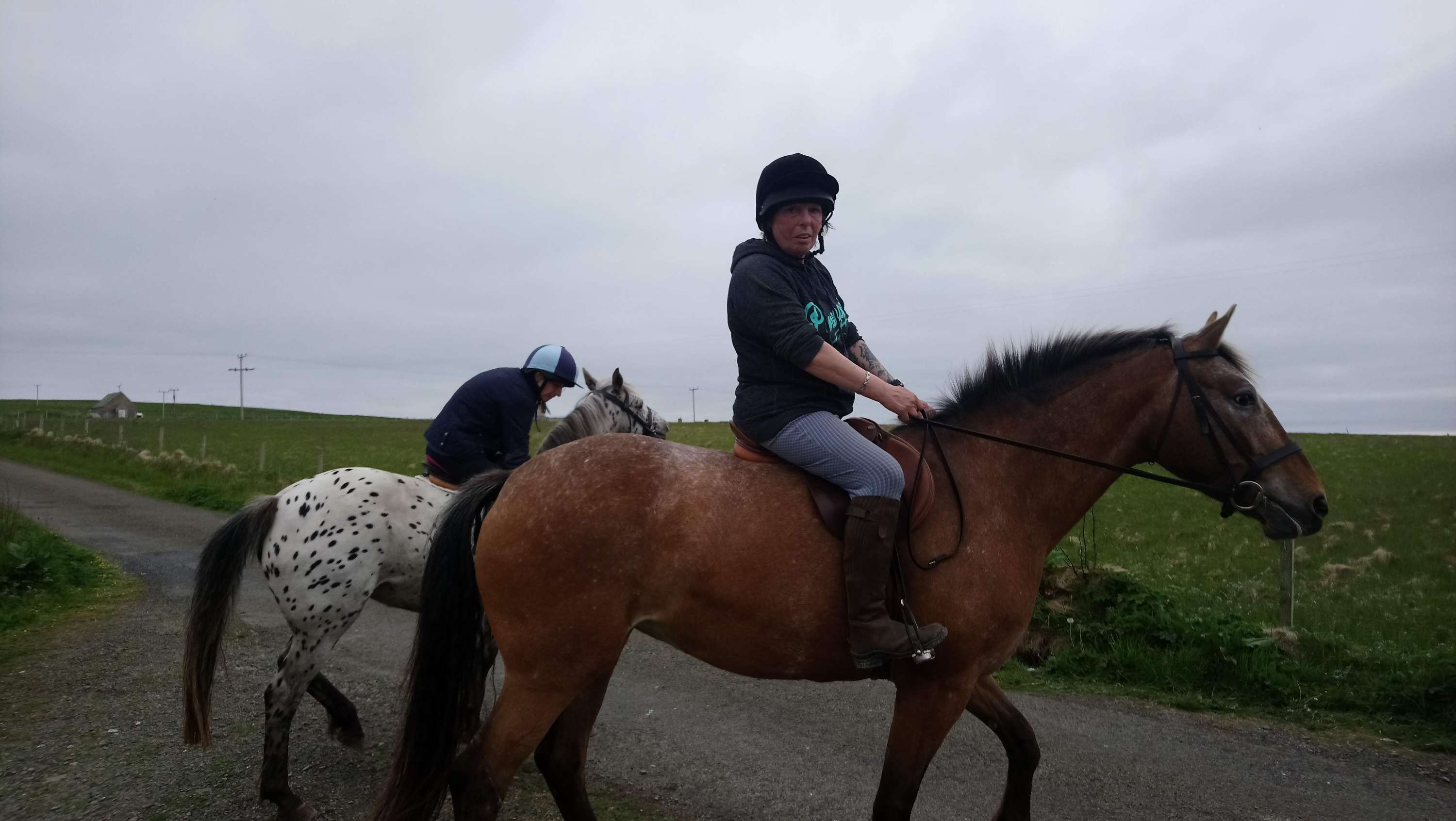
The Shetland Islands offer more than just breath-taking landscapes and rich history. For those seeking a unique form of mental health relief, a visit here can open doors to a special kind of therapy: Therapy Through Horses with Miniature Shetland Ponies. This blog shares the experience of exploring these islands and discovering the gentle charm of these small but mighty ponies.

Discovering the Shetland Islands
The Shetland Islands lie northeast of mainland Scotland, known for their rugged coastlines, rolling hills, and rich wildlife. The islands’ remote location creates a peaceful environment that feels far removed from everyday stress. Visitors often find the natural beauty alone to be calming, but the islands hold a special secret: the Miniature Shetland Ponies.
These ponies are a smaller version of the traditional Shetland pony, known for their sturdy build and gentle nature. Their size makes them approachable and less intimidating, which is why they are often used in therapeutic settings.
The Unique Appeal of Miniature Shetland Ponies
Miniature Shetland Ponies are not just adorable; they have a calming presence that can help reduce anxiety and stress. Their gentle eyes and slow, deliberate movements invite connection and trust. For people looking for mental health relief, spending time with these ponies offers a form of Therapy Through Horses that is both accessible and effective.
Here are some reasons why Miniature Shetland Ponies are ideal for therapy:
Size and temperament: Their small size makes them less daunting, especially for children or those new to horses.
Emotional connection: Ponies respond to human emotions, offering comfort without judgment.
Physical interaction: Grooming and gentle handling encourage mindfulness and reduce tension.
Routine and responsibility: Caring for ponies can build confidence and a sense of purpose.
Visitors to the Shetland Islands often find that interacting with these ponies creates moments of calm and joy that linger long after the visit.
Experiencing Therapy Through Horses on the Northern Islands
During a recent visit to the Shetland Islands, the opportunity to meet and learn about Miniature Shetland Ponies was a highlight. The experience was not just about observing these animals but engaging with them in ways that promote mental well-being.
The therapy sessions typically involve:
Guided grooming: Brushing the ponies helps visitors focus on the present moment.
Walking alongside ponies: This encourages gentle exercise and builds trust.
Quiet observation: Simply watching the ponies in their natural environment can be soothing.
One visitor shared how the slow pace and the pony’s calm bearing helped ease feelings of anxiety. The connection felt natural and healing, showing how Therapy Through Horses can be a powerful tool for mental health.

Practical Tips for Visiting and Engaging with Miniature Shetland Ponies
If you are considering a visit to the Orkney/Shetland Islands to experience the ponies and their therapeutic benefits, here are some practical tips:
Plan ahead: Check local farms or therapy centres that offer pony interaction sessions.
Dress appropriately: Wear comfortable clothing and sturdy shoes suitable for outdoor activities.
Be patient: Ponies respond best to calm and gentle behaviour.
Ask questions: Learn about the ponies’ care and history to deepen your connection.
Respect boundaries: Always follow guidance from handlers to ensure safety for both visitors and ponies.
Engaging with Miniature Shetland Ponies is not just a fun activity; it can be a meaningful step toward mental health relief.

Why Therapy Through Horses Works
Research supports the benefits of equine-assisted therapy for mental health. Horses, including Miniature Shetland Ponies, offer non-verbal communication that helps people become more aware of their emotions. The physical act of caring for and being near these animals can lower stress hormones and increase feelings of relaxation.
The Northern Islands provide an ideal setting for this therapy. The natural surroundings combined with the ponies’ gentle nature create a unique environment where healing can happen naturally.
Final Thoughts
A visit to the Orkney/Shetland Islands offers more than scenic views. It opens a door to a special kind of therapy through connection with Miniature Shetland Ponies. For those seeking mental health relief, this experience combines nature, animal companionship, and gentle activity in a way that supports emotional well-being.
If you are looking for a peaceful retreat that offers both beauty and healing, consider the Shetland Islands and their charming ponies. The calming presence of these animals and the serene environment can provide a welcome break from daily stress and a chance to reconnect with yourself.


