
The Benefits of Equine Therapy
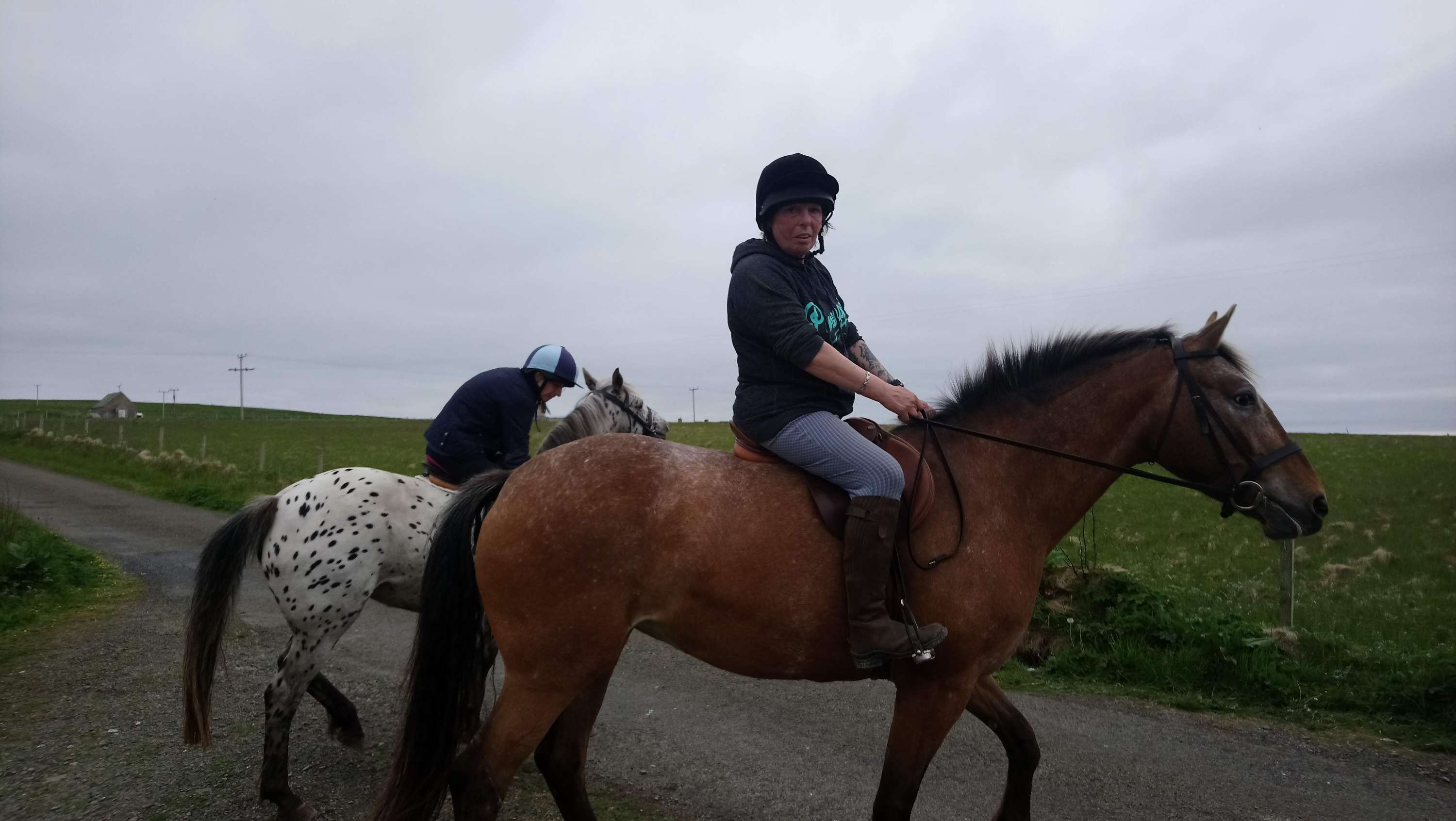
Equine therapy is gaining recognition as a powerful tool for emotional and physical healing. This unique form of therapy involves interactions with horses to promote mental health, personal growth, and physical rehabilitation. Unlike traditional therapies, it offers a hands-on, experiential approach that can be both calming and empowering. In this article, we will explore the many benefits of equine therapy and how it can positively impact individuals from various backgrounds.
Understanding the Benefits of Equine Therapy
Equine therapy offers a range of benefits that extend beyond the typical therapeutic experience. One of the key advantages is its ability to foster emotional awareness and regulation. Horses are highly sensitive animals that respond to human emotions, making them excellent partners in therapy sessions. This interaction helps individuals become more mindful of their feelings and behaviours.
Another significant benefit is the development of trust and communication skills. Working with horses requires clear, calm communication and consistency. This process encourages participants to build confidence and improve their interpersonal skills, which can translate into better relationships in everyday life.
Physical benefits are also notable. Activities such as grooming, leading, and riding horses can improve balance, coordination, and muscle strength. For people recovering from injuries or living with disabilities, these physical exercises can be both therapeutic and enjoyable.

Emotional Healing and Mental Health Improvements
One of the most profound benefits of equine therapy is its impact on mental health. Many individuals struggling with anxiety, depression, PTSD, or trauma find relief through their connection with horses. The non-judgmental nature of horses creates a safe space where people can express themselves freely.
The rhythmic movement of riding can have a soothing effect on the nervous system, reducing stress and promoting relaxation. Additionally, the responsibility of caring for a horse instils a sense of purpose and accomplishment, which can boost self-esteem.
Therapists often use equine therapy to help clients develop coping strategies. For example, learning to remain calm and assertive around a large animal can teach valuable lessons about managing fear and frustration in daily life.
Practical Applications and How to Get Started
If you are considering equine therapy, it is important to understand how sessions typically work. Most programs begin with an assessment to identify individual goals and needs. Sessions may include activities such as grooming, leading, lunging, or riding horses under the guidance of a trained therapist.
To get started, look for certified equine therapy centres that have experienced professionals. Many centres offer tailored programmes for children, adults, veterans, and people with disabilities. It is also helpful to ask about the safety measures in place and the qualifications of the staff.
For those interested in trying equine therapy, here are some practical tips:
Wear comfortable clothing and closed-toe shoes suitable for outdoor activities.
Be open to learning and patient with the process.
Communicate openly with your therapist about your feelings and progress.
Set realistic goals and celebrate small achievements.
Enhancing Social Skills and Building Relationships
Equine therapy is not only about individual healing but also about improving social interactions. Group sessions can provide opportunities to develop teamwork, empathy, and leadership skills. Participants often work together to care for horses, solve problems, and support each other.
The presence of horses can break down social barriers and encourage positive communication. For children and adults with social anxiety or autism spectrum disorders, this can be particularly beneficial. The therapy environment promotes patience, respect, and understanding, which are essential for healthy relationships.
Long-Term Impact and Personal Growth
The benefits of equine therapy often extend well beyond the therapy sessions. Many participants report lasting improvements in their emotional resilience, self-confidence, and physical health. The skills learned during therapy can be applied to everyday challenges, leading to a more balanced and fulfilling life.
Moreover, the bond formed with horses can inspire a deeper connection to nature and a greater sense of responsibility. This connection often motivates individuals to pursue further personal development and maintain healthy habits.
For those seeking a holistic approach to healing, equine therapy offers a unique and effective option that combines emotional, social, and physical benefits.
Embracing a New Path to Wellness
Exploring alternative therapies can open doors to new possibilities for healing and growth. Equine therapy provides a distinctive experience that engages the mind, body, and spirit. Whether you are looking to manage stress, recover from trauma, or improve physical abilities, this therapy offers practical tools and meaningful connections.
By embracing the gentle power of horses, individuals can discover strength, hope, and transformation in their journey towards wellness. If you are curious about how this therapy might benefit you or a loved one, consider reaching out to a local equine therapy centre to learn more and take the first step.
This article has highlighted the many ways equine therapy can support emotional healing, physical rehabilitation, and personal development. Its unique approach makes it a valuable addition to traditional therapeutic methods, offering hope and healing through the remarkable bond between humans and horses.


Comments